
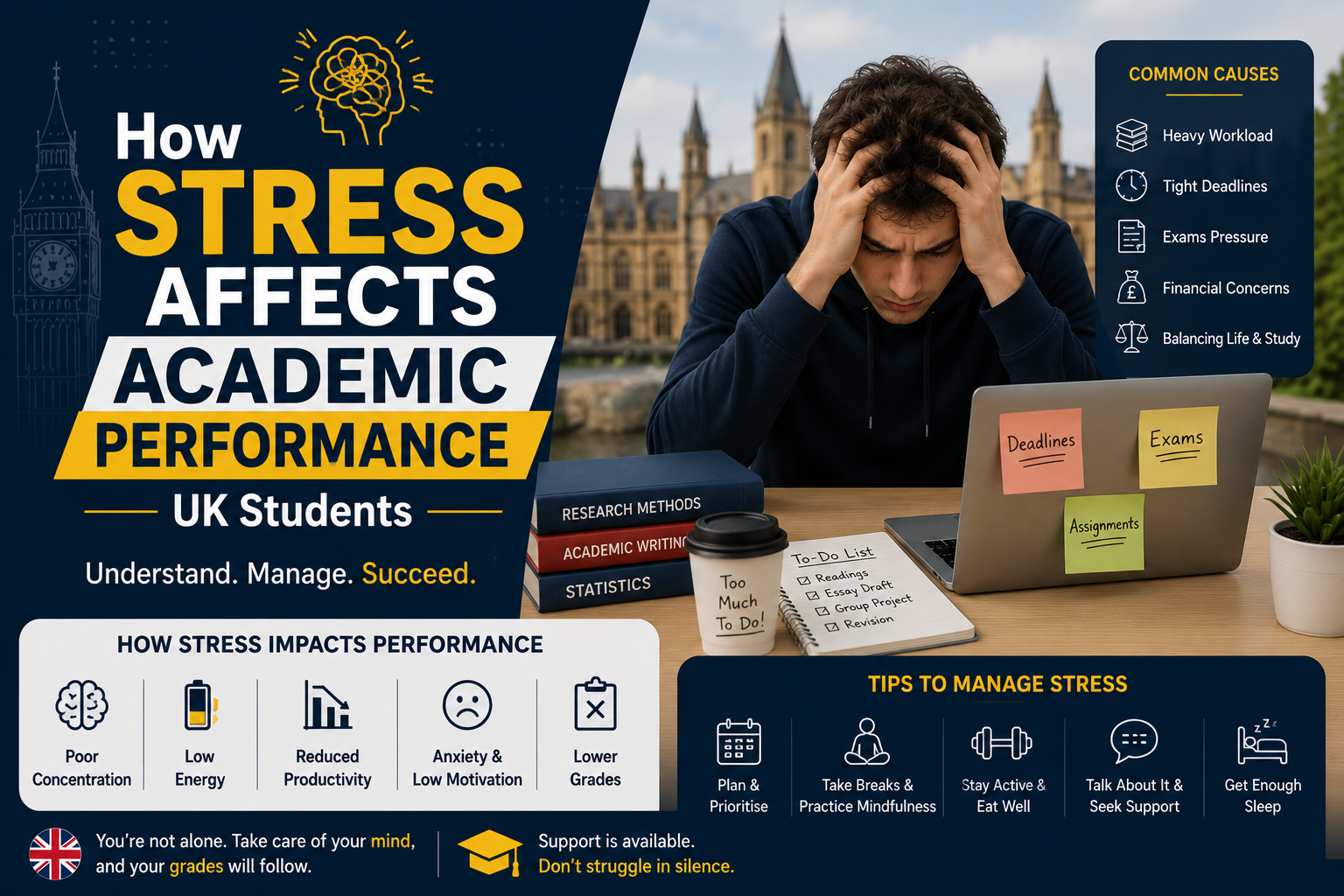
How Stress Affects Academic Performance of UK Students
Stress is a familiar companion for many students across the United Kingdom, and its impact on academic performance is far from trivial. Whether you are juggling part‑time work, navigating a demanding course load, or coping with personal pressures, the way stress manifests in the brain can directly influence how well you learn, retain information and perform in assessments. In this article I will explore the science behind stress, identify the most common stressors for UK students, and provide practical strategies to mitigate its negative effects while harnessing any potential benefits.
Understanding Stress: The Body’s Response
When a student perceives a threat – a looming deadline, a difficult exam or a conflict with a tutor – the hypothalamic‑pituitary‑adrenal (HPA) axis is activated. This triggers the release of cortisol and adrenaline, hormones that prepare the body for a “fight or flight” response. In the short term, these chemicals can heighten alertness, sharpen focus and improve memory consolidation. However, if the stress response is prolonged, cortisol levels remain elevated, which can impair neural pathways essential for learning.
Research from the Higher Education Statistics Agency (HESA) shows that prolonged stress is linked to lower grade point averages and higher dropout rates among undergraduates (HESA, 2022). The key is recognising when stress is acting as a short‑term motivator and when it becomes a chronic barrier to academic success.
Acute vs. Chronic Stress
Acute stress is brief and often tied to a specific event such as an oral presentation. It can boost concentration and recall, especially if the student has prepared well. Chronic stress persists over weeks or months and is commonly associated with ongoing financial worries, uncertain immigration status, or a demanding workload. Chronic stress can disrupt sleep, reduce motivation and lead to mental health conditions such as anxiety and depression.
Common Stressors for UK Students
Understanding the sources of stress is the first step toward managing it. Below are the most frequently reported stressors among students in England, Scotland, Wales and Northern Ireland:
- Academic pressure – high expectations from family, scholarships or self‑imposed standards.
- Financial concerns – tuition fees, living expenses and limited access to part‑time employment.
- Social isolation – moving away from home, building new friendships and navigating campus culture.
- Future uncertainty – graduate‑level aspirations, visa regulations and the competitive job market.
- Health challenges – chronic illness, mental health issues and lack of access to supportive services.
Each of these factors can interact, creating a cumulative load that overwhelms a student’s capacity to cope. For instance, a student who is financially strained may also experience heightened anxiety about academic performance, which in turn can affect sleep quality and further exacerbate stress.
The Direct Impact of Stress on Learning
Stress influences several cognitive processes that are essential for academic success:
Attention and Concentration
Elevated cortisol can narrow attentional focus, making it difficult to shift between tasks or process complex information. While a narrowed focus can be useful for tasks that require intense concentration, it often hampers the ability to engage with broader concepts or participate in class discussions.
Memory Formation
Short‑term stress may enhance the encoding of emotionally charged material, but chronic stress interferes with the hippocampus, the brain region responsible for forming new memories. This can lead to poorer recall of lecture content and reduced retention of reading material.
Executive Function
Executive functions such as planning, problem solving and self‑regulation rely on the prefrontal cortex. Persistent stress reduces activity in this area, which can manifest as procrastination, difficulty organising coursework and a diminished capacity to manage time effectively.
Motivation and Mood
Students experiencing chronic stress often report lower intrinsic motivation and increased feelings of helplessness. These emotional states can diminish participation in collaborative learning environments and reduce the willingness to seek help from tutors or peers.
Evidence from UK Studies
A longitudinal study conducted by the Office for National Statistics (ONS) found that students who reported high stress levels at the start of the academic year were 30 per cent more likely to achieve lower final grades compared with their low‑stress counterparts (ONS, 2021). Similarly, a survey by the Quality Assurance Agency (QAA) highlighted that stress‑related mental health issues accounted for a significant proportion of student withdrawals from higher education programmes (QAA, 2023).
Practical Strategies to Reduce Academic Stress
While it is impossible to eliminate all stressors, students can adopt evidence‑based techniques to manage their impact. Below are actionable steps that can be incorporated into daily routines.
1. Structured Time Management
Breaking down assignments into smaller, manageable tasks reduces the feeling of being overwhelmed. Using a planner – either digital or paper – to allocate specific time blocks for reading, writing and revision creates a sense of control. The Pomodoro technique, which alternates 25 minutes of focused work with a five‑minute break, has been shown to improve concentration and reduce burnout.
2. Sleep Hygiene
Quality sleep is non‑negotiable for memory consolidation. Aim for seven to nine hours per night, maintain a regular bedtime, and avoid caffeine or screen exposure at least an hour before sleeping. A short power nap of 15‑20 minutes can also restore alertness without interfering with nighttime sleep.
3. Physical Activity
Regular exercise stimulates the release of endorphins, natural mood‑lifting chemicals that counteract cortisol. Even a brisk 30‑minute walk can improve mood and sharpen cognitive function. Universities often provide free gym access or outdoor sports clubs – taking advantage of these resources can be both social and therapeutic.
4. Mindfulness and Relaxation Techniques
Mindfulness meditation, deep breathing exercises and progressive muscle relaxation have been linked to lower perceived stress and improved academic outcomes. Apps such as Headspace or Calm offer guided sessions that can be completed in five minutes between lectures.
5. Seek Academic Support Early
When coursework feels unmanageable, reaching out to tutors, academic advisers or student support services can prevent problems from escalating. Many universities provide writing workshops, study skills sessions and one‑to‑one counselling – taking advantage of these services demonstrates proactive coping.
If you find that writing assignments are a particular source of anxiety, you might consider consulting a dissertation writing service for guidance on structure and research methodology. This can alleviate the pressure of starting a large project and free up mental space for deeper learning.
6. Build a Supportive Social Network
Connecting with peers who share similar academic goals can provide emotional support and practical advice. Study groups not only facilitate collaborative learning but also create a sense of belonging that buffers against isolation.
7. Financial Planning
Creating a realistic budget and exploring scholarships, bursaries or part‑time employment can reduce monetary stress. Universities often have dedicated financial advice centres that can help students navigate funding options.
When Stress Becomes a Health Issue
While the strategies above are effective for moderate stress, some students may experience severe anxiety or depression that requires professional intervention. Warning signs include persistent low mood, loss of interest in previously enjoyed activities, drastic changes in appetite or sleep, and thoughts of self‑harm. In these cases, it is essential to seek help from university counselling services, the NHS or a qualified mental health professional.
Early intervention not only protects mental health but also safeguards academic performance. Studies indicate that students who receive timely therapeutic support are more likely to complete their degrees and achieve higher grades (Prospects, 2022).
Balancing Stress: Turning Pressure into Performance
Not all stress is detrimental. A moderate amount of pressure can act as a catalyst for growth, encouraging students to develop resilience, time‑management skills and a strong work ethic. The goal is to maintain stress within an optimal zone – often described as the “Yerkes‑Dodson curve” – where motivation is high but anxiety remains manageable.
Key indicators that stress is at a productive level include feeling energized by upcoming deadlines, experiencing a sense of achievement after completing tasks, and maintaining a balanced lifestyle. If you notice that stress is starting to interfere with sleep, appetite or social relationships, it is time to reassess your coping strategies.
Action Plan for Students
Below is a concise checklist you can adapt to your own routine:
- Identify your top three stressors and write them down.
- Set specific, measurable goals for each week.
- Schedule regular breaks and physical activity.
- Practice a five‑minute mindfulness exercise each morning.
- Reach out to a tutor or support service at the first sign of difficulty.
- Review your progress monthly and adjust your plan as needed.
Implementing these steps consistently can transform the way stress influences your academic journey.
Conclusion
Stress is an inevitable part of student life in the UK, but its impact on academic performance is not predetermined. By understanding the physiological mechanisms behind stress, recognising the most common stressors, and applying practical coping strategies, students can protect their mental wellbeing and enhance their learning outcomes. Remember that seeking help – whether from university services, health professionals or a reputable essay writing service – is a sign of strength, not weakness. With the right tools and support, you can turn stress from a barrier into a stepping stone toward academic success.
References
HESA (2022) Higher Education Student Statistics: UK, Higher Education Statistics Agency.
ONS (2021) Education and Training: Stress and Academic Achievement, Office for National Statistics.
QAA (2023) Student Mental Health and Wellbeing in Higher Education, Quality Assurance Agency.
Prospects (2022) The Impact of Counselling on Student Retention, Prospects.
Scholarly article on cortisol and learning (2020) Journal of Educational Psychology, University Press.



Comments (0)
Leave a Comment